Services / AI agents
AI agent development
Agents that do real work inside your product, with a person on every decision that matters. We build them the way we build our own products: specs first, tools wired to real systems, and evidence for every claim.
What we build
- Agent workflows that plan, call tools and hand off to people at the right moments
- Durable, resumable agent runs on Temporal or queues, so long jobs survive restarts
- MCP servers and tool layers that connect agents to your data and APIs safely
- Review gates: approvals for destructive actions, merges, payments and data changes
- Cost estimates before a run and spend caps per run, team and month
- Local and on-device models when data can't leave the machine
Work that proves it
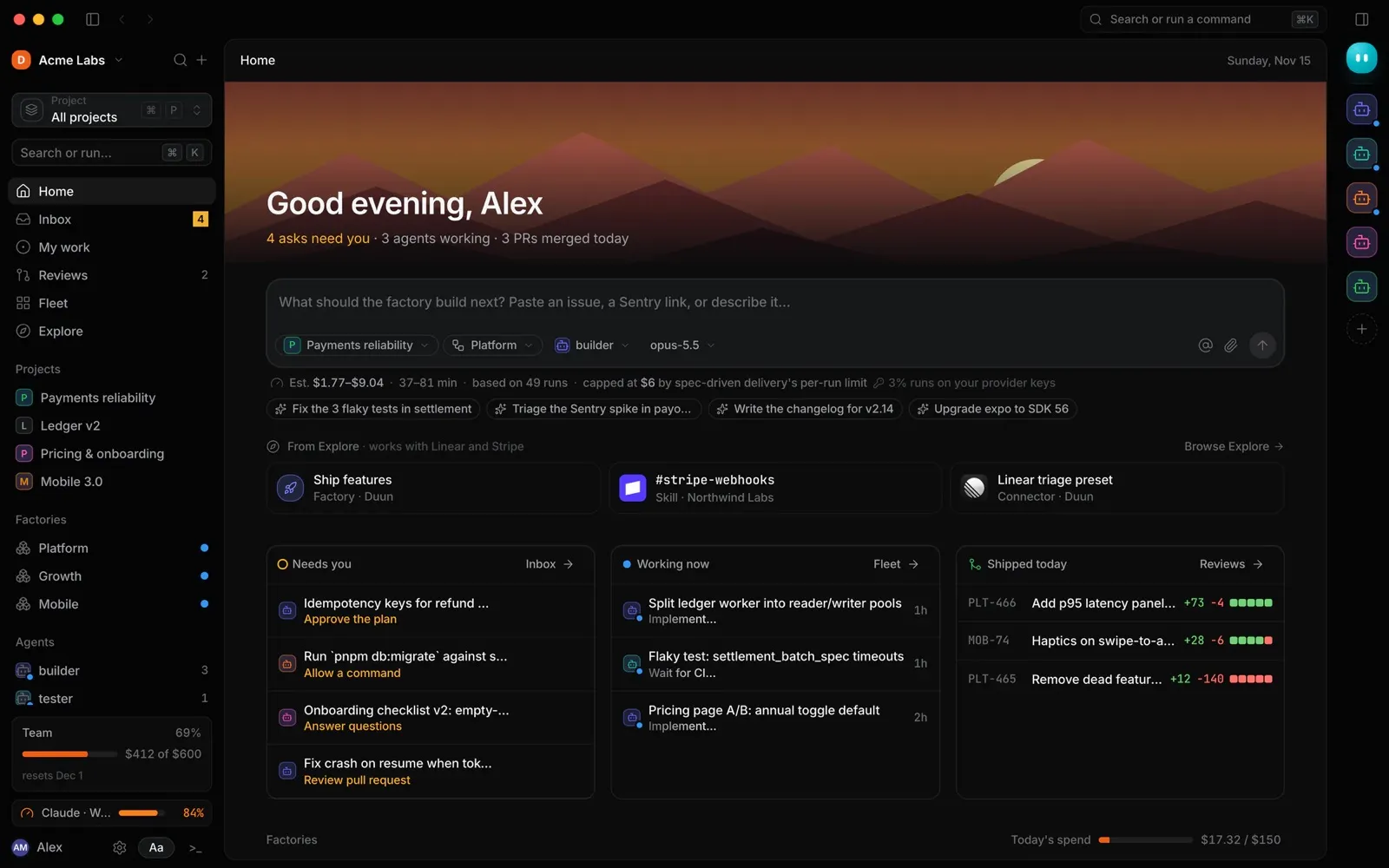 DuunRuns teams of AI coding agents that turn Linear and GitHub issues into merged PRsEarly access
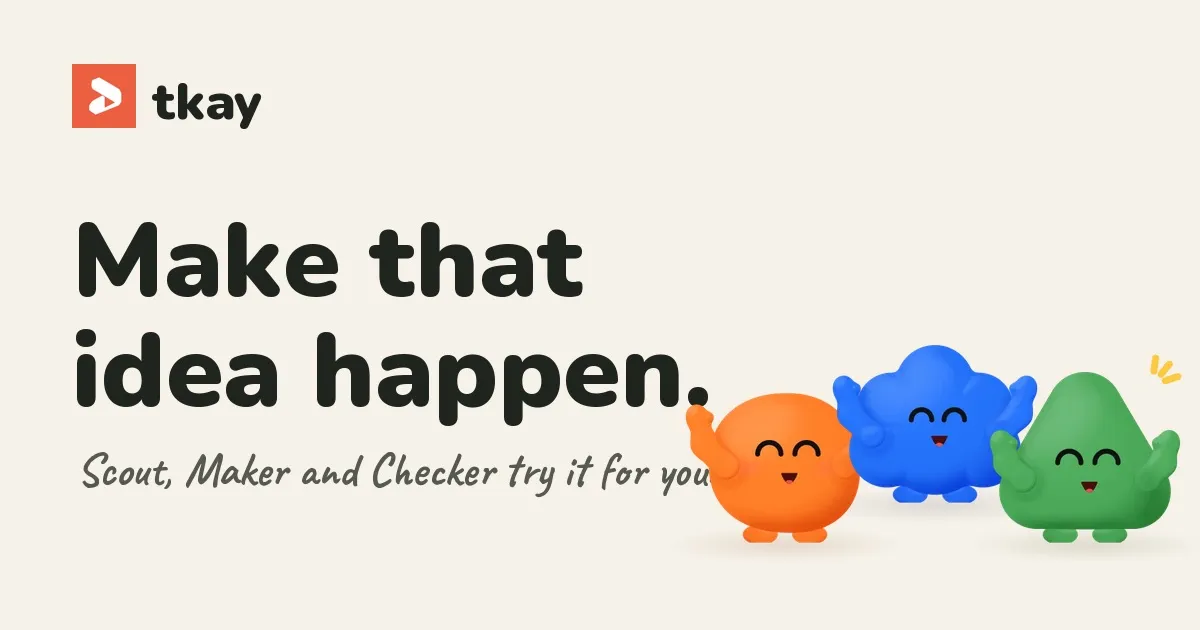 TkayCapture something you learned and let a small AI crew try it on your real workBeta on TestFlight
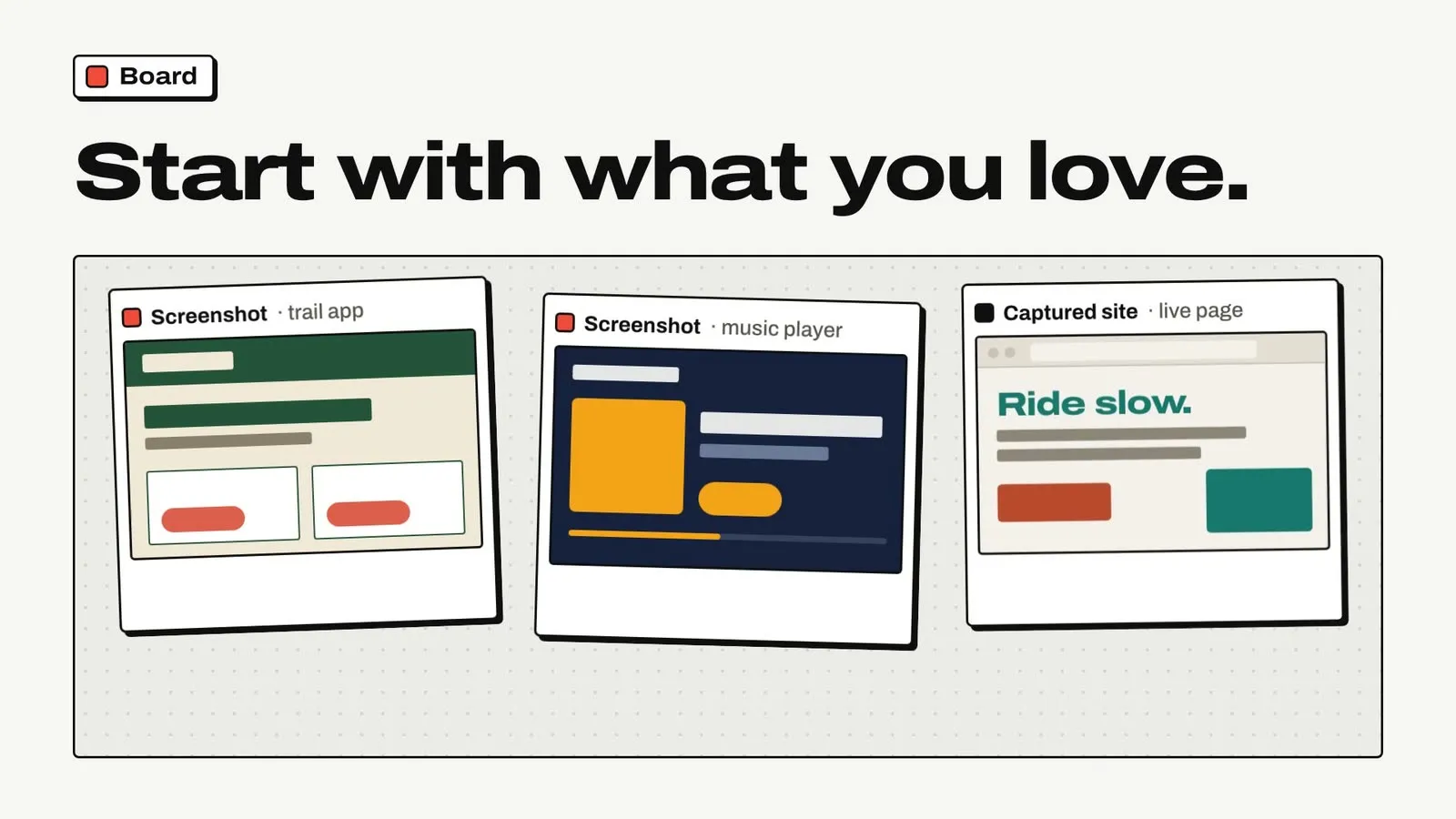 M1rrorA design workbench that turns references and your codebase into a design system and a PRLive
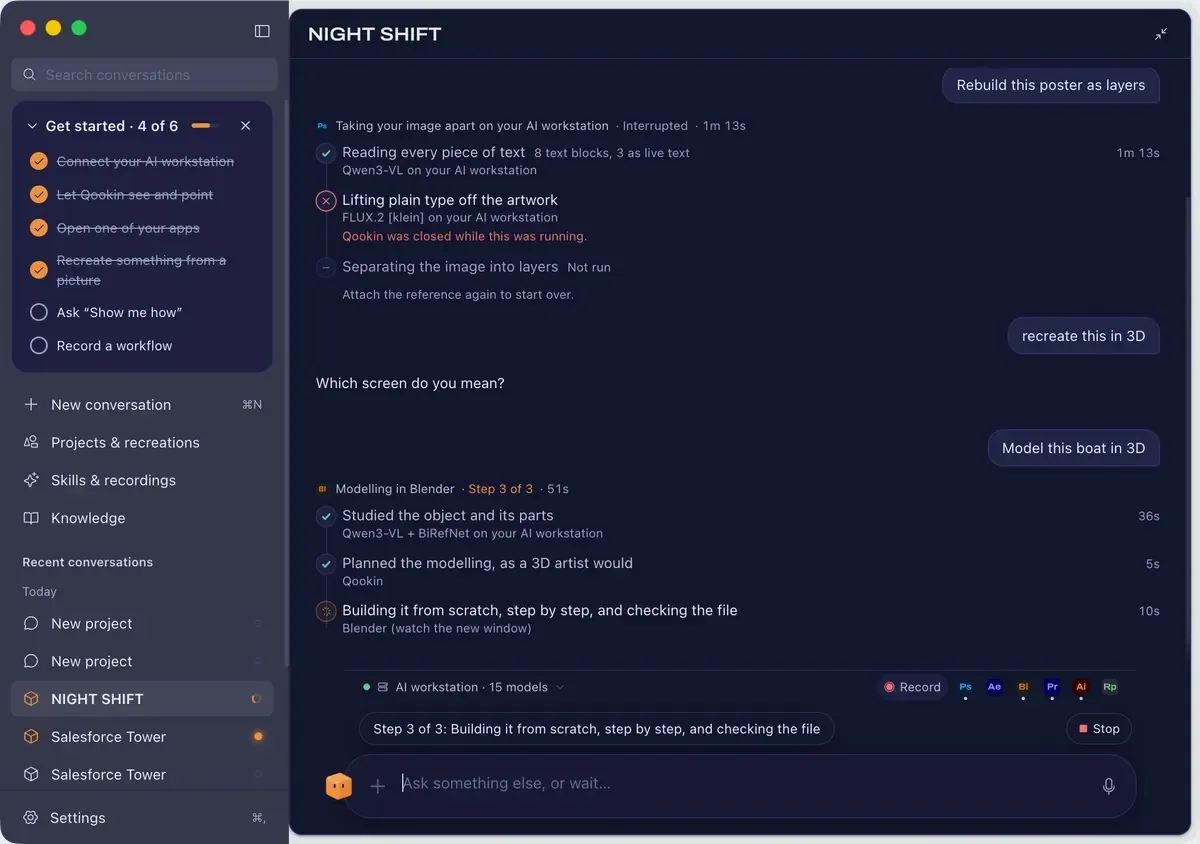 QookinA Mac assistant that rebuilds a reference as an editable project in Blender and moreWaitlist
Agents, built like products
Most agent projects stall between the demo and production. The demo answers a question. Production has to touch real systems, recover from failure, stay inside a budget and leave a record a person can check.
We’ve built that layer several times for our own products. Duun runs teams of coding agents that turn Linear and GitHub issues into merged pull requests. Tkay sends a small crew (Scout, Maker and Checker) to try an idea safely against a connected repository. M1rror reads a codebase and returns a design system as a scoped pull request. Qookin runs models locally on a Mac to rebuild a reference as an editable project.
How an agent project runs
- One workflow, one metric. We pick the job the agent should do and how we’ll know it worked.
- A written spec. Tools, permissions, the decisions a person keeps, and the evidence each run must leave.
- Build and test against fixtures. Agents get test data and dry runs before they touch anything real.
- A pilot with people in the loop. We measure the metric, then decide together whether to expand.
You keep the code, the prompts, the evaluations and the run logs.
Questions
What kind of AI agents do you build?
Agents that act, not just chat: they read from your systems, plan a change, use tools to make it, and stop for a person where the risk is real. Our own products include agents that turn issues into merged pull requests (Duun), a crew that tries an idea against a real repository (Tkay) and a design agent that writes a scoped PR (M1rror).
How do you keep agents safe in production?
Every agent gets explicit tools, not open-ended access. Plans, destructive commands, payments, auth and risky merges wait for a person. Runs are logged, and each one has a cost estimate and a cap before it starts.
Which models do you use?
Whichever fits the job. We build provider-agnostic layers so you can switch models, and we run local models when data has to stay on the device, as in Qookin.
Can you add agents to an existing product?
Yes. Most work starts with a short audit of your codebase and workflows, then one agent on one workflow with one metric, before anything expands.
More services